Does waxed canvas make a backpack better for commuting?
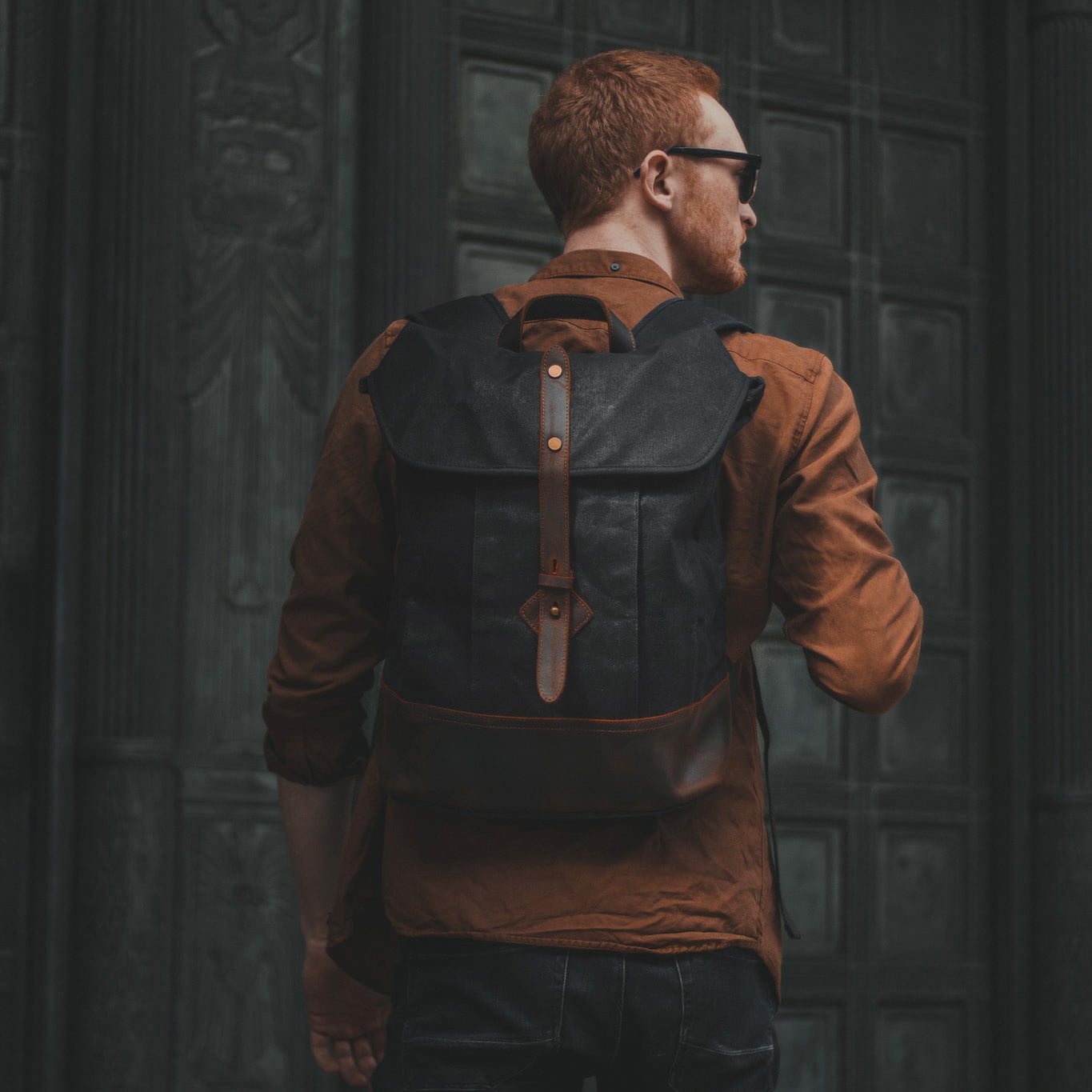
Waxed canvas is ideal for commuting because it offers natural water resistance and durable structure without feeling overly technical or rigid. It handles daily movement well, from walking to transport to office environments. Over time, it softens slightly while maintaining its shape, making it more comfortable for repeated daily use.
How does a waxed canvas backpack perform when cycling?
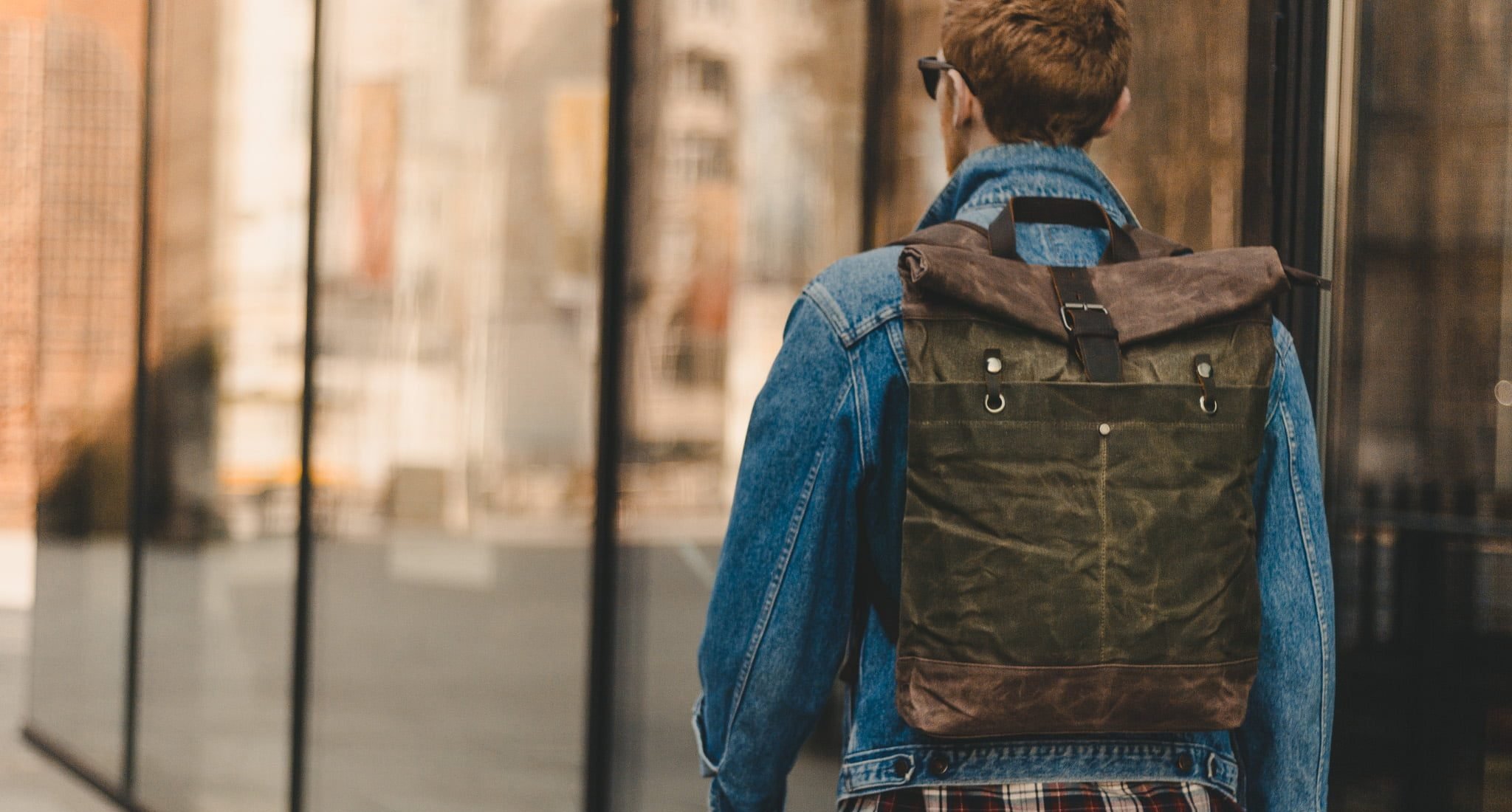
Waxed canvas performs well in cycling conditions due to its resistance to wind, light rain, and road spray. It stays stable during movement and doesn’t become stiff or noisy like some synthetic materials. High-friction areas naturally develop creases over time, which reflect use rather than affecting performance.
Does these backpacks fit a 15” laptop?
Yes. Our backpacks are designed to safely accommodate most 13”–15” laptops, with padded protection to help secure your device during commuting, travel, or daily use.
Which backpack is right for me?
Choose a structured daypack if you prioritise work, commuting, and laptop carry. Choose a larger or roll-top style if you need extra capacity for travel, outdoor use, or unpredictable daily loads. Both offer the same material quality, differing in volume and flexibility.
What is the difference between a daypack and a roll-top backpack?
A daypack offers structured organisation and easier access, making it ideal for commuting and office use. A roll-top backpack provides expandable capacity and weather protection, making it better suited for travel, cycling, and variable loads.
What happens to waxed canvas with heavy travel use?
With frequent travel, waxed canvas develops a natural patina and softens in high-contact areas. This improves flexibility and makes the bag feel more personalised to your packing habits. Rather than wearing out, it becomes more functional and characterful over time.
Why not use synthetic backpack materials?
Synthetic materials often prioritise cost and lightness but can degrade, tear, or lose shape over time. Waxed canvas offers a more durable and repairable alternative that improves in appearance and character as it ages.
Is waxed canvas practical in wet weather?
Yes. Waxed canvas is highly effective in typical UK wet weather, as it causes rain to bead and run off the surface. It protects well during short exposure such as walking between transport and buildings. It is weather-resistant, not fully waterproof for prolonged immersion.
Why choose waxed canvas instead of leather?
Both materials have their strengths, but waxed canvas offers an excellent balance of durability, weather resistance and lighter weight. Combined with premium full-grain leather detailing, it delivers the rugged character of traditional outdoor gear with the timeless appearance of classic travel luggage. It’s a combination that’s designed to age beautifully and develop a unique patina with every journey.
How much maintenance does a waxed canvas backpack actually need?
Very little for everyday use. Most of the time, a simple wipe with a damp cloth is enough to keep it clean. Waxed canvas is designed to be low-maintenance and to improve with regular handling rather than constant care. Occasional re-waxing is only needed when the surface starts to look dry or loses some water repellency.
Will my backpack look ‘new’ for long?
No, and that’s intentional. Waxed canvas is designed to develop character from the moment you start using it. Light creases, tonal variation, and softening will appear fairly quickly with real use. Rather than staying new, it becomes more personal and lived-in over time.
How often should I re-wax a waxed canvas backpack?
There’s no fixed schedule, as it depends on how often and where you use it. For regular daily use, many people re-wax once or twice a year, while lighter use may require even less. You’ll know it’s needed when the fabric looks lighter in high-wear areas or water no longer beads as effectively.
Should I treat waxed canvas like a delicate material?
No, it’s the opposite. Waxed canvas is designed to be used regularly and handled without concern for minor wear. It performs best when it is part of everyday routines rather than treated as a fragile item. Its value comes from durability and ageing, not preservation.